Urban-Rural Divide

Bill Hogseth

Worth a read: Why Democrats Keep Losing Rural Counties Like Mine, by Bill Hogseth, chair of the Dunn County Democratic Party in Wisconsin, in Politico, 12/01/2020.

He details how consolidation in the food industry — that is, big companies buying out smaller ones and then moving on to consume each other — is devastating farmers and farming communities in the United States, and how the Democratic party isn’t helping.

“Farmers’ share of every retail food dollar has fallen from

about 50 percent in 1952 to 15 percent today. Corporations control more and more of the agriculture business…”

Antitrust action is a priority for rural voters, but the Democratic Party doesn’t seem to get it. Obama said the right things but didn’t follow through. “His Department of Agriculture balked when it came time to enforce anti-monopoly rules such as those in the Packers and Stockyard Act…”

Now Biden, is saying the right things, too. “In his rural plan, Biden pledged to ‘strengthen antitrust enforcement,’ but the term doesn’t appear until the 35th bullet point. For rural voters, antitrust enforcement is a top priority.” And shortly after publication of Hogseth’s piece, Biden announced his pick for Secretary of Agriculture — Vilsack, former secretary of agriculture under Obama.

“But my hope,” say Hogseth, “is for Democrats to listen to and learn from the experiences of rural people.”
Big Ag and Antitrust, a Conference

Yale law school is offering a free online conference on January 16, 2021, “Big Ag & Antitrust: Competition Policy for a Sustainable and Humane Food System,” 6 am (ouch!) to 2 pm. I’m signed up! Six am is early, but it’s better than the event I attended that was set in Europe.

Bill Bullard, the CEO of R-CALF USA, has been invited to present a paper updating a 2013 publication of his in The South Dakota Law Review, Under Siege: The U.S. Live Cattle Industry. Reading it could give you a taste of what the conference is about — or perhaps a hearty meal. It’s 51 dense pages with footnotes. Here’s the abstract:

Although the largest U.S. agricultural sector—the live cattle industry—is
still comprised of hundreds of thousands of independent producers, it is
currently on a trajectory to become a vertically integrated supply chain
controlled by just a handful of dominant meatpackers. This is the fate already
suffered by the nation’s hog and poultry industries within which once
competitive markets have been replaced with corporate command and control
and opportunities for independent livestock businesses have largely disappeared.
Only by renewing the nation’s long lost appetite for antitrust enforcement and
other legal actions to preserve livestock market competition can the ailing cattle
industry be revitalized for future generations.

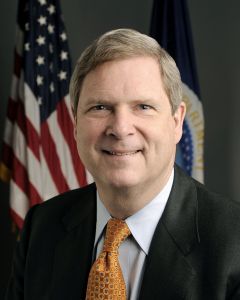
Vilsack

Tom Vilsack is Biden’s pick for Agriculture Secretary according to Politico, though a formal announcement hasn’t been made yet. Vilsack has already served in that role under Obama, and advised on rural and agriculture policy during Biden’s campaign. 

He is definitely not a wild-eyed reformer. I suppose that means he’d be easier to get confirmed, easier for everyone in Washington to work with, and completely unlikely to curb Big Ag in any serious way.

This 2012 article in the Washington Monthly was brought up in an online farming group to remind people of who Vilsack is. It’s long. In brief, it details how anti-trust laws were reinterpreted during the Reagan era to make it easier for large companies to buy each other out. One result was growing concentration in agriculture, to the detriment of small, independent farmers. This has been a tremendous change and is ongoing. During Vilsack’s tenure as Obama’s Secretary of Agriculture, he led a doomed effort to reign in the power of Big Ag.

By November 2011, it was clear that the reformers had lost. … The most ambitious, far-reaching campaign to reform the agricultural industry in forty years was over, less than two years after it had begun.

Obama’s Game of Chicken

If it’s major reform we’re looking for (I am), Vilsack is probably not the best person to count on. And, by the way, David Scott, the new chair of the House Agriculture Committee, is also mentioned unflatteringly in the Washington Monthly article as one of a group who opposed the reforms.

The People’s Department

The Department of Agriculture should renew its mission as “the people’s department,” as President Lincoln called it when he created it. That’s the argument made by Ricardo Salvador from the Union of Concerned Scientists and food writer Mark Bittman in a New York Times opinion piece last week.

Phil Lempert, the “supermarket guru” and food trends editor for NBC’s Today Show, describes the NYT article in this video in case you don’t subscribe or have used up your free reads.

Farm Bill

The Farm Bill is the primary agriculture policy document in the nation. It’s passed roughly every five years. The last one was signed into law by Trump in December of 2018, so the next one is due in 2023. Lots of info here: What Is the Farm Bill?

The first hearings in the House for our current law were held nearly a year before the bill was passed. I don’t know how long before that the prep work began, but I don’t think right now is too soon to try to get up to speed.

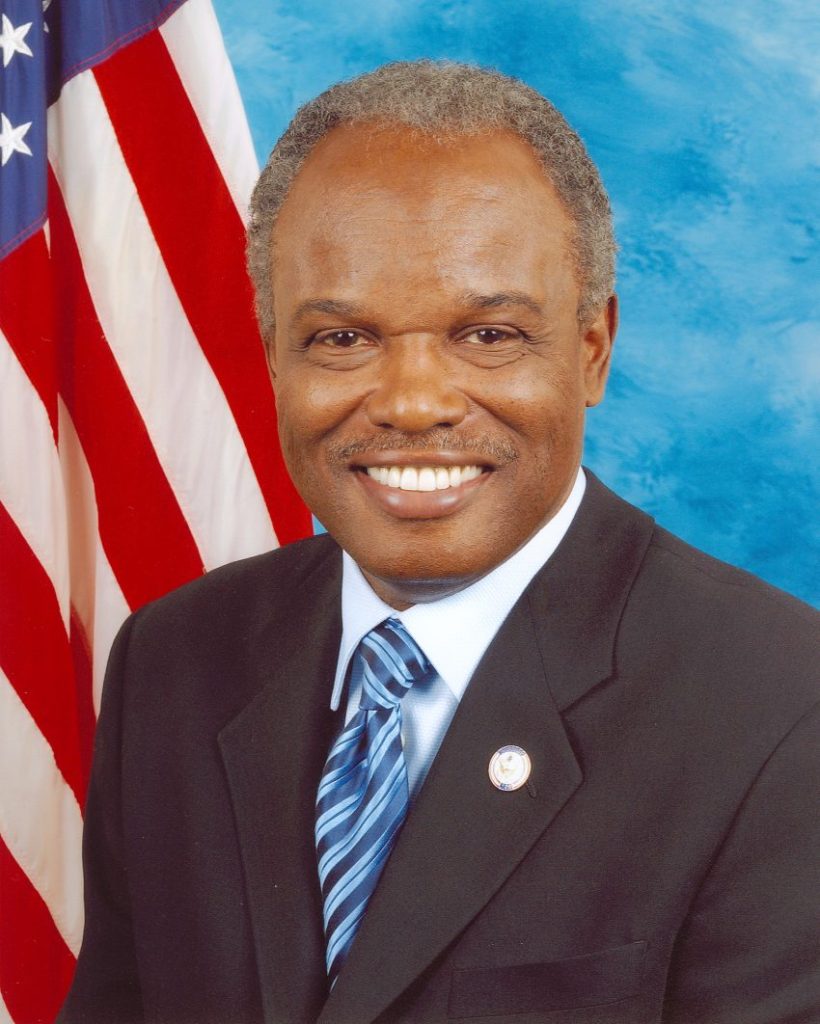
David Scott, House Ag Chair

On Tuesday, David Scott (D-Ga) was chosen as the House chair for the agriculture committee, replacing Collin Peterson (D-Minn) who lost his bid for re-election. Here’s how Mother Jones and The Hill reported the news.

A politician’s staff matter, also. Scott’s former chief of staff, Gary Woodward, left in early November for a position at H&R Block, so I’m guessing that means there’ll be some changes, but this is who’s listed on his site now:.

  • Catherine Kuerbitz, Legislative Director
  • Anthony Mitchell, Legislative Assistant
  • Cydney Karlins, Legislative Assistant
  • Kathleen Burke, Scheduler/Office Manager

Lobbyists

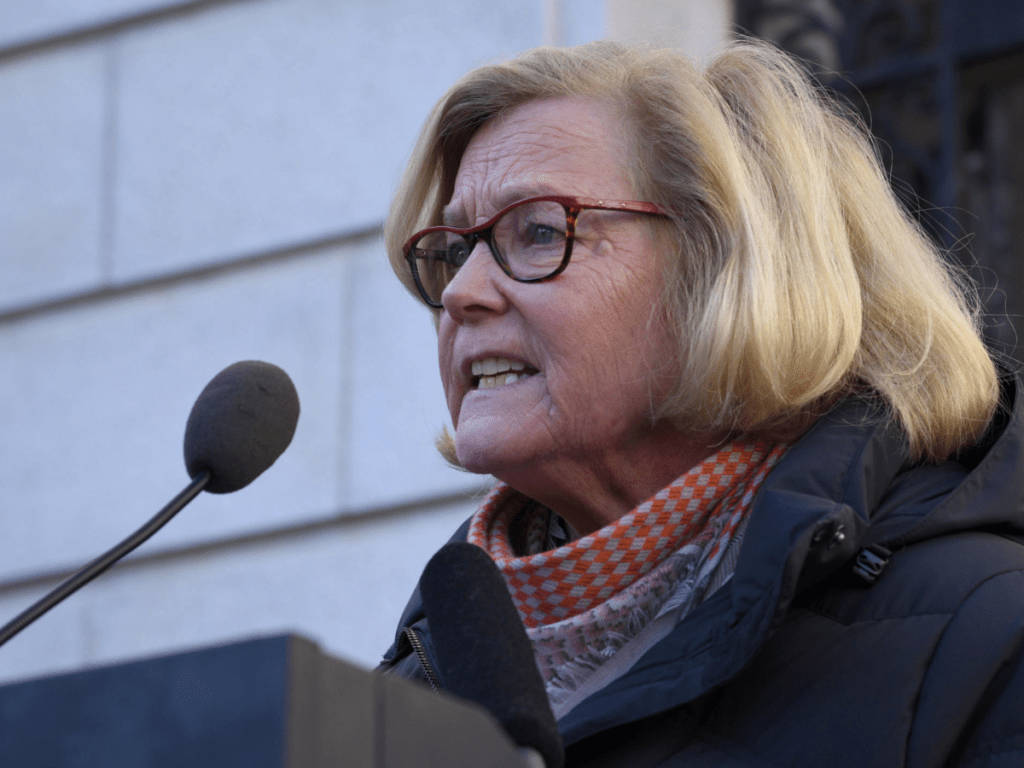
This arrived with my email today, as part of an announcement for a series of virtual talks with more than 50 prominent organic farmers, scientists, and climate activists. Chellie Pingree, quoted above and said to be under consideration for Biden’s secretary of agriculture, is one of the speakers . You can read more about the symposium by following this link, but it’s those data that I found chilling. 12,000 lobbyists! $350 million a year!

American Farmland Trust in Politico

American Farmland Trust (AFT), a national non-profit, is reaching out to left-leaning political wonks with a paid message in Politico that we need to unify behind a push for regenerative agriculture, and the preservation of farmland and farms, for the sake of all of us, including the climate.

No, regenerative agriculture isn’t being oversold — it’s being underutilized.

John Piotti. “A green future for agriculture all Americans can get behind.” 

So what do you think? Did AFT manage to make the subject sexy enough to attract attention? I found their suggested next moves for the incoming administration interesting :

Heitkamp

The news I’ve seen about possible picks for Biden’s Secretary of Agriculture has coalesced around one issue: Heidi Heitkamp. She’s considered a frontrunner, but progressive groups hoping for serious change in U.S. food production are concerned she’s too closely allied to the status quo. So, lots of drama. This is a tremendous opportunity to do what I do best — get lost in the weeds, but instead of allowing myself to be drawn in, I’m going to leave you with a couple of links to follow if you’re so inclined. I, however, will be moving along in my attempt to sketch the political landscape.

For Heitkamp: The Grand Forks Herald argues that Heitkamp’s an advocate for rural issues, she knows agriculture, and she’s chummy with Biden and Harris, but suggests she might be opposed by environmental groups. So true.

Against Heitkamp: Food Tank sums up the opposing view.

Middle of the Road: Feedstuffs doesn’t take sides and says, “None of the major commodity groups – including the sometimes more progressive groups like the National Farmers Union and the National Sustainable Agriculture Coalition – have formally endorsed any of the discussed candidates.”

And this, right here, looks like the nut of the issue to me (from Mother Jones): “Heitkamp’s emergence soon after the election as the favorite for the position hints that Biden remains pulled to the centrist, corporate-friendly policies that have characterized his whole career. Whereas choosing Fudge would show an openness to making good on the transformational promises that propelled him to the job he has coveted for decades.”

Choosing Heitkamp might look like playing it safe, but in the face of the climate crisis, playing it safe may just be playing the wrong game altogether.