Urban-Rural Divide

Bill Hogseth

Worth a read: Why Democrats Keep Losing Rural Counties Like Mine, by Bill Hogseth, chair of the Dunn County Democratic Party in Wisconsin, in Politico, 12/01/2020.

He details how consolidation in the food industry — that is, big companies buying out smaller ones and then moving on to consume each other — is devastating farmers and farming communities in the United States, and how the Democratic party isn’t helping.

“Farmers’ share of every retail food dollar has fallen from

about 50 percent in 1952 to 15 percent today. Corporations control more and more of the agriculture business…”

Antitrust action is a priority for rural voters, but the Democratic Party doesn’t seem to get it. Obama said the right things but didn’t follow through. “His Department of Agriculture balked when it came time to enforce anti-monopoly rules such as those in the Packers and Stockyard Act…”

Now Biden, is saying the right things, too. “In his rural plan, Biden pledged to ‘strengthen antitrust enforcement,’ but the term doesn’t appear until the 35th bullet point. For rural voters, antitrust enforcement is a top priority.” And shortly after publication of Hogseth’s piece, Biden announced his pick for Secretary of Agriculture — Vilsack, former secretary of agriculture under Obama.

“But my hope,” say Hogseth, “is for Democrats to listen to and learn from the experiences of rural people.”

Vilsack

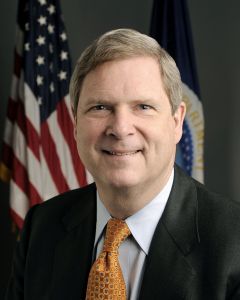
Tom Vilsack is Biden’s pick for Agriculture Secretary according to Politico, though a formal announcement hasn’t been made yet. Vilsack has already served in that role under Obama, and advised on rural and agriculture policy during Biden’s campaign. 

He is definitely not a wild-eyed reformer. I suppose that means he’d be easier to get confirmed, easier for everyone in Washington to work with, and completely unlikely to curb Big Ag in any serious way.

This 2012 article in the Washington Monthly was brought up in an online farming group to remind people of who Vilsack is. It’s long. In brief, it details how anti-trust laws were reinterpreted during the Reagan era to make it easier for large companies to buy each other out. One result was growing concentration in agriculture, to the detriment of small, independent farmers. This has been a tremendous change and is ongoing. During Vilsack’s tenure as Obama’s Secretary of Agriculture, he led a doomed effort to reign in the power of Big Ag.

By November 2011, it was clear that the reformers had lost. … The most ambitious, far-reaching campaign to reform the agricultural industry in forty years was over, less than two years after it had begun.

Obama’s Game of Chicken

If it’s major reform we’re looking for (I am), Vilsack is probably not the best person to count on. And, by the way, David Scott, the new chair of the House Agriculture Committee, is also mentioned unflatteringly in the Washington Monthly article as one of a group who opposed the reforms.

Heitkamp

The news I’ve seen about possible picks for Biden’s Secretary of Agriculture has coalesced around one issue: Heidi Heitkamp. She’s considered a frontrunner, but progressive groups hoping for serious change in U.S. food production are concerned she’s too closely allied to the status quo. So, lots of drama. This is a tremendous opportunity to do what I do best — get lost in the weeds, but instead of allowing myself to be drawn in, I’m going to leave you with a couple of links to follow if you’re so inclined. I, however, will be moving along in my attempt to sketch the political landscape.

For Heitkamp: The Grand Forks Herald argues that Heitkamp’s an advocate for rural issues, she knows agriculture, and she’s chummy with Biden and Harris, but suggests she might be opposed by environmental groups. So true.

Against Heitkamp: Food Tank sums up the opposing view.

Middle of the Road: Feedstuffs doesn’t take sides and says, “None of the major commodity groups – including the sometimes more progressive groups like the National Farmers Union and the National Sustainable Agriculture Coalition – have formally endorsed any of the discussed candidates.”

And this, right here, looks like the nut of the issue to me (from Mother Jones): “Heitkamp’s emergence soon after the election as the favorite for the position hints that Biden remains pulled to the centrist, corporate-friendly policies that have characterized his whole career. Whereas choosing Fudge would show an openness to making good on the transformational promises that propelled him to the job he has coveted for decades.”

Choosing Heitkamp might look like playing it safe, but in the face of the climate crisis, playing it safe may just be playing the wrong game altogether.

Secretary of Agriculture

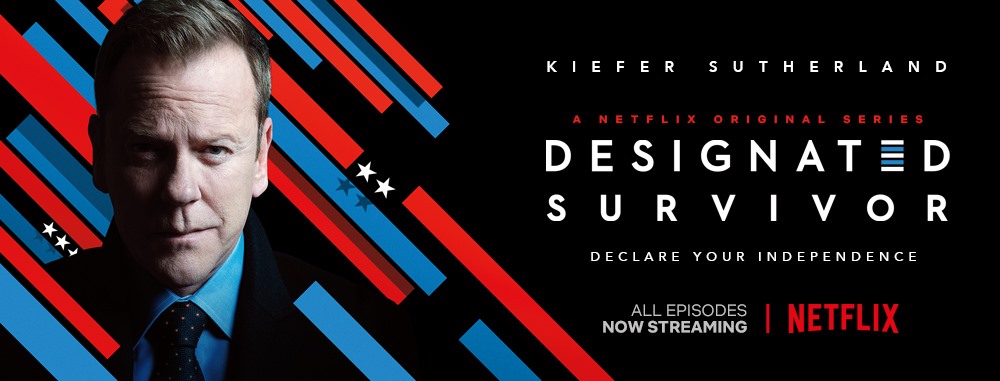
Kiefer Sutherland played Tom Kirkman, a Secretary of Agriculture who unexpectedly ascended to the presidency when everyone ahead of him in the line of succession was blown up.

Biden will choose a new secretary of agriculture to replace Sonny Perdue as head of the Department of Agriculture. It’s one of 15 departments in the executive branch of the U.S. government. Department heads, usually called secretaries, also serve as members of the president’s cabinet.

There seems to be some agreement that these three women are the top contenders:

  • Heidi Heitkamp
  • Marcia Fudge
  • Cheri Bustos

Other names that have come up are:

  • Krysta Harden
  • Amy Klobuchar
  • Collin Peterson
  • Chellie Pingree
  • Karen Ross
  • Michael Scuse

I wonder why Tom Kirkman didn’t get a nod. He did a bang-up job on Designated Survivor.